Quarantine
Alain Delorme
Constructions of Perceived Scarcity
0:00
0:00
On 11 March 2020, the World Health Organisation (WHO) officially designated the Covid-19 outbreak as a global pandemic. The following days and weeks were marked by worries, changes and restrictions.
All at once, we had to live almost entirely at home, within our own four walls. Not only were face-to-face meetings and contacts scarce, but so were some groceries and sanitary products – in Germany, for instance, people hoarded pasta products and toilet paper, even though objectively they were not in short supply.
Making productive use of stagnation
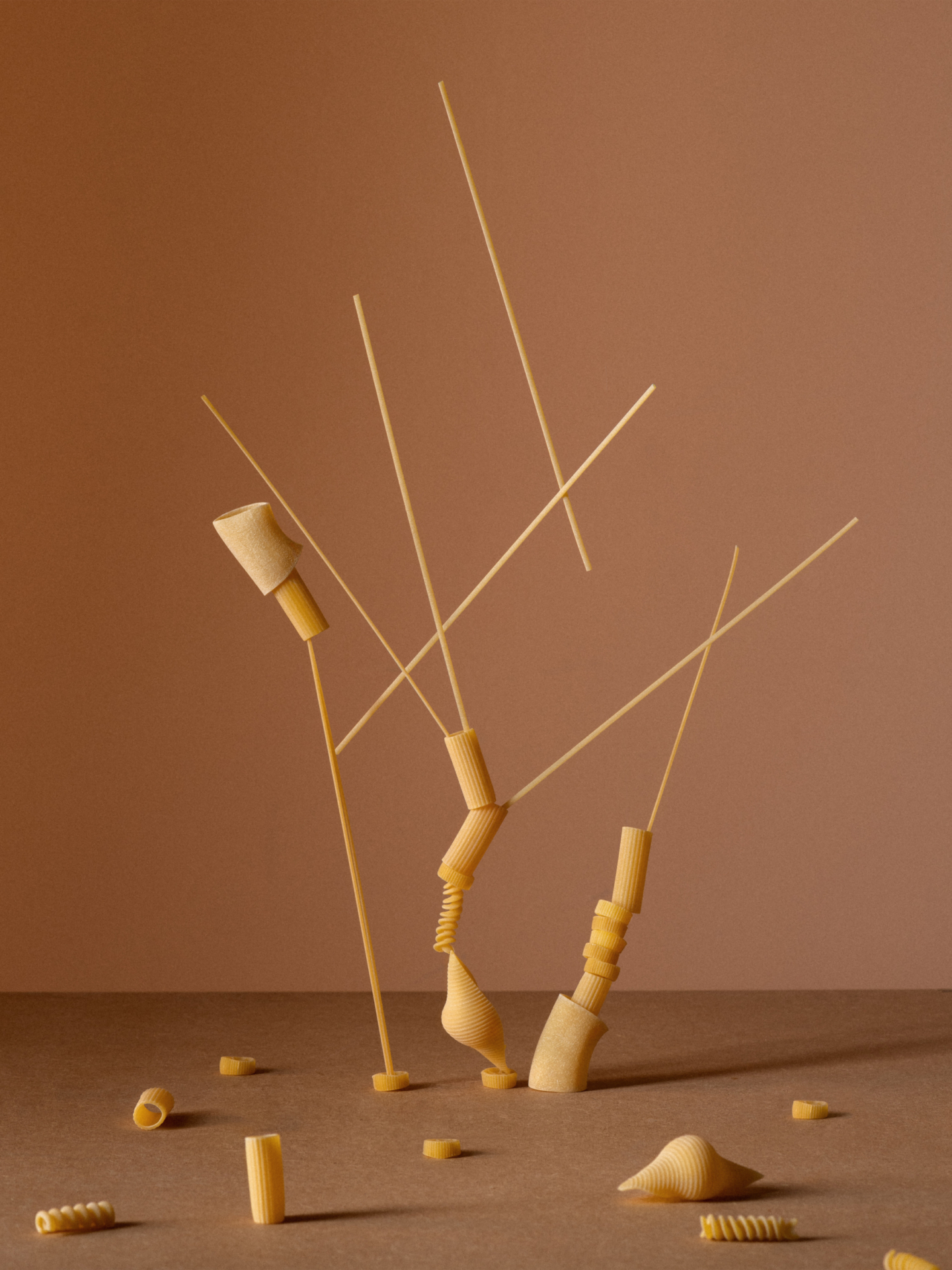
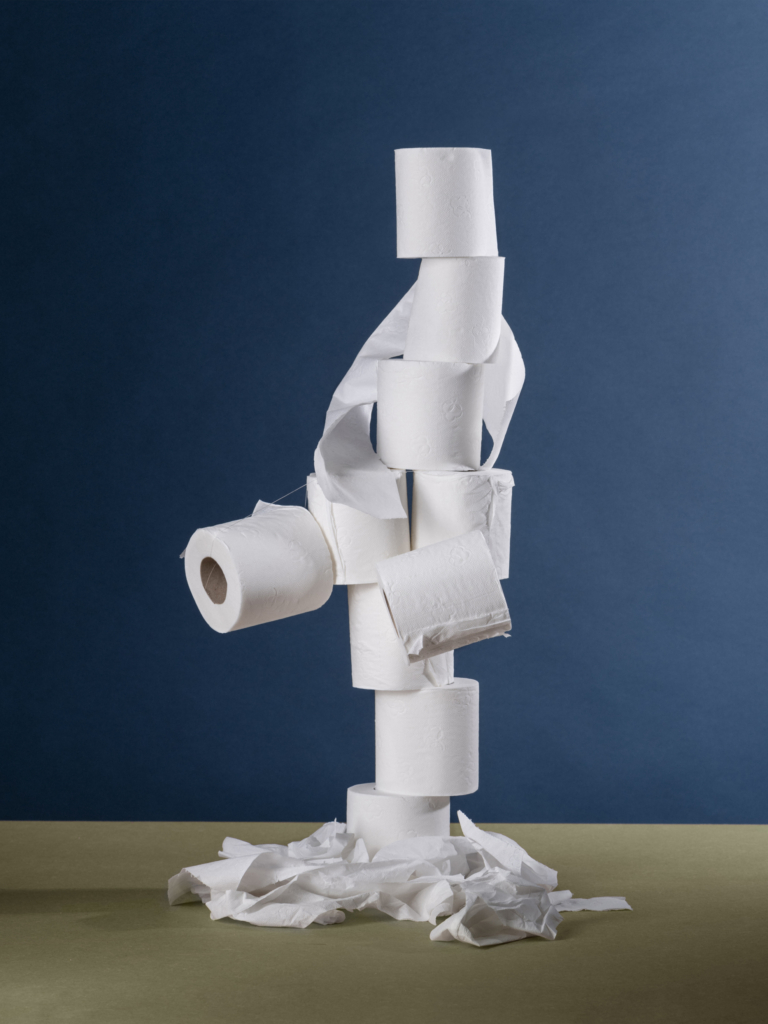
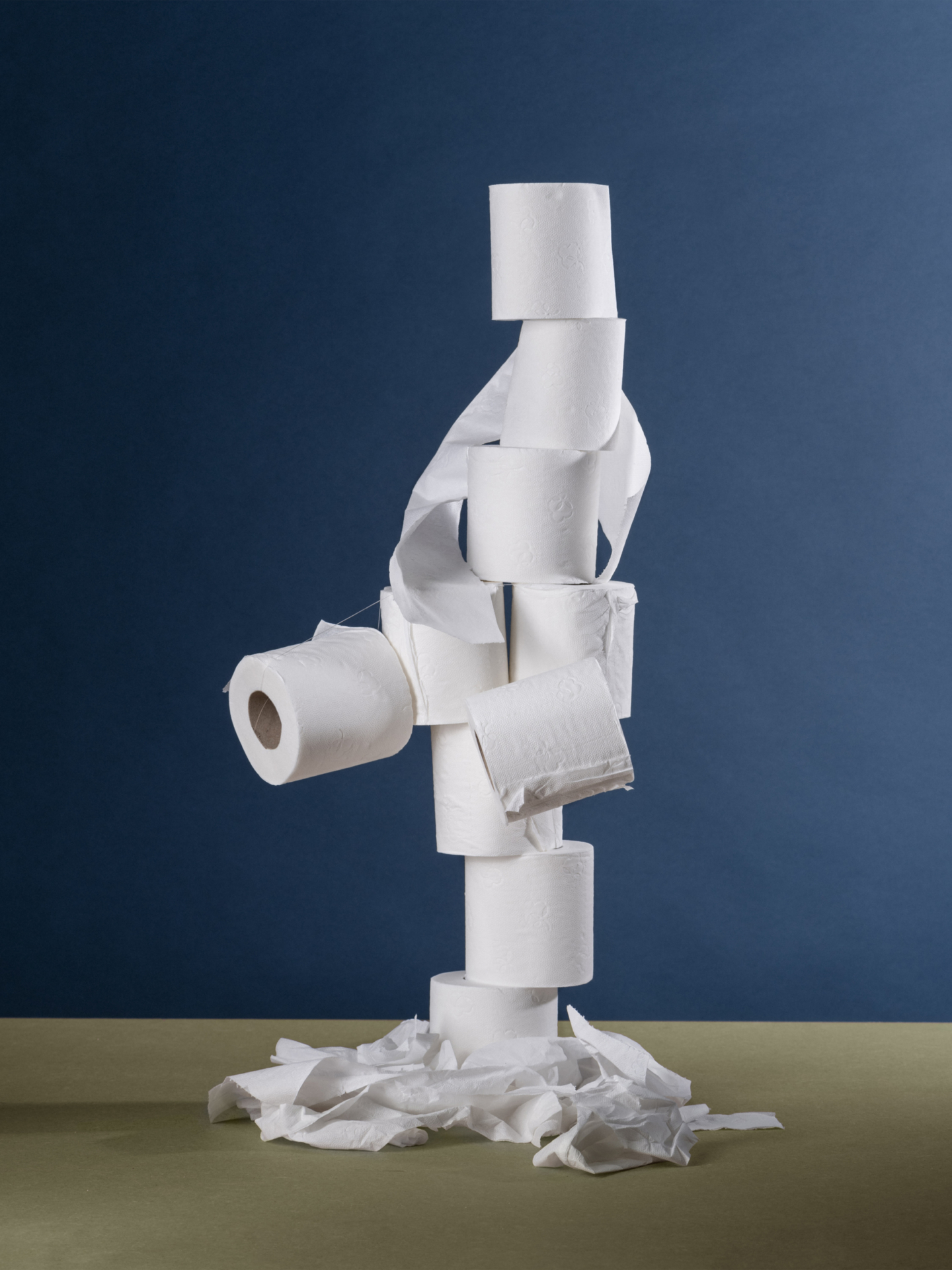
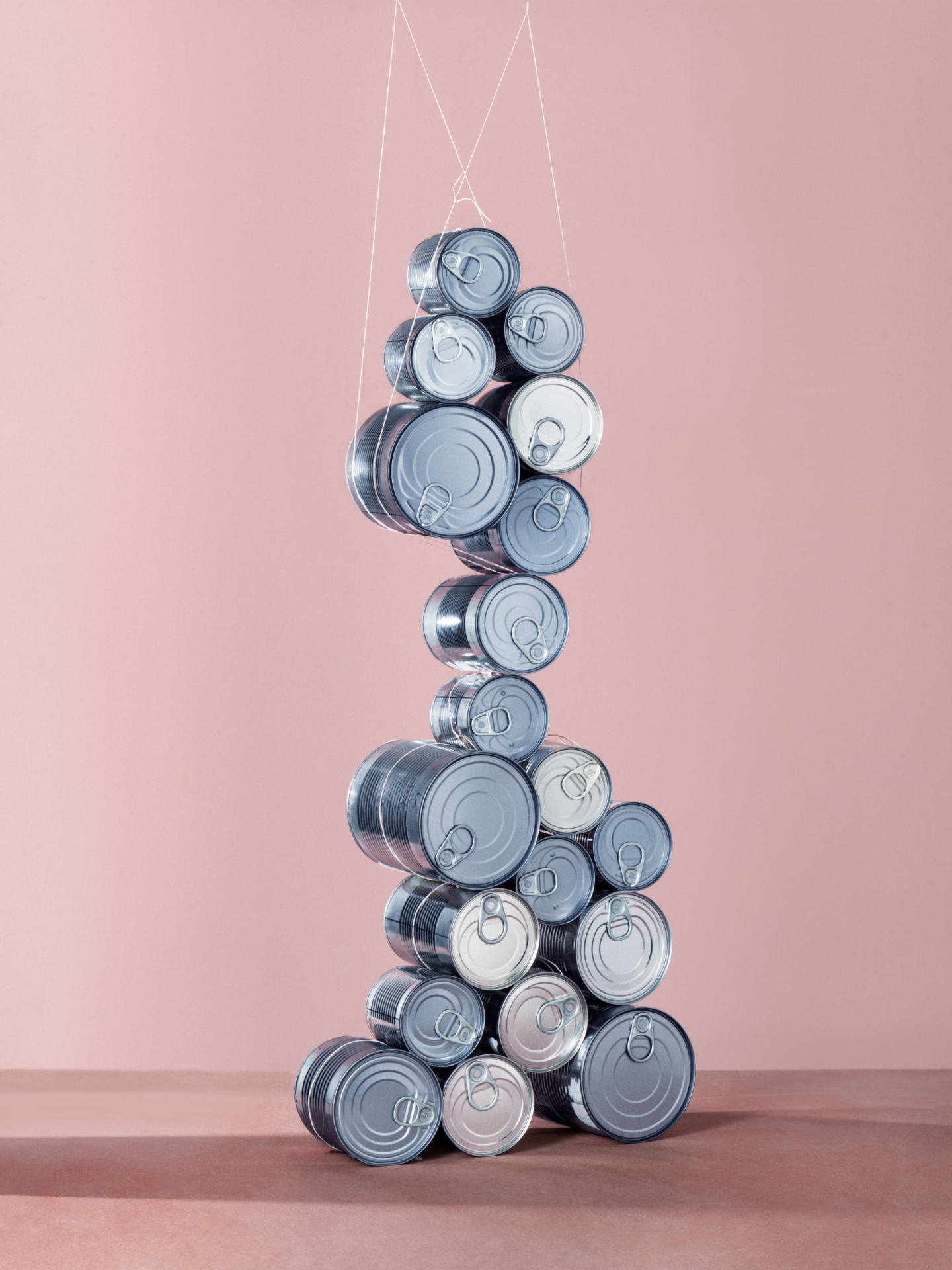
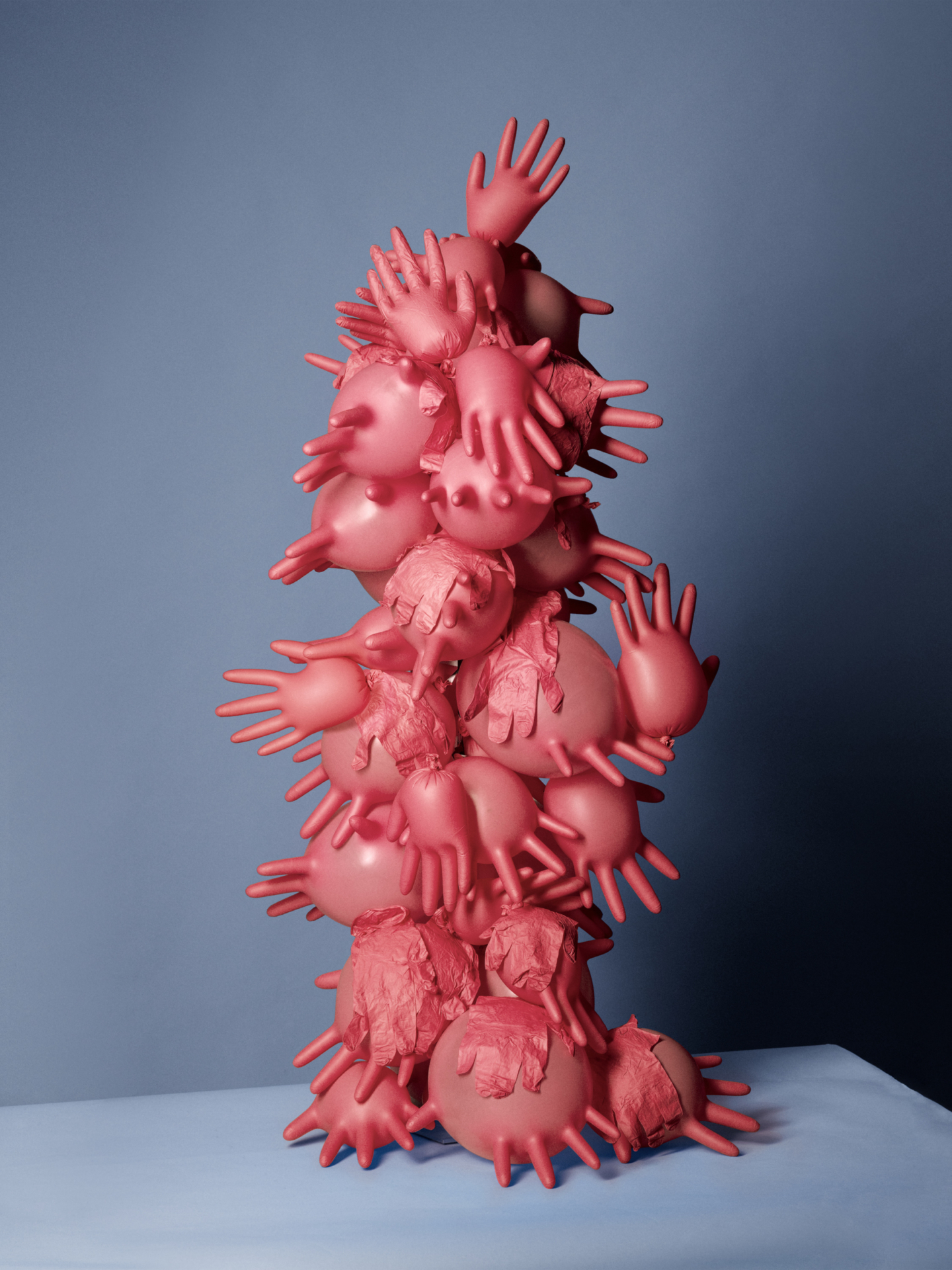
How can you use a time of restrictions and change productively? French artist Alain Delorme was also confronted with this challenge, and decided to make his home the centre of his artistic practices. He collected the necessities of life, piling them up to create fragile constructions – rice, pasta, toilet paper, rubber gloves, flour, breaded fish, potatoes, eggs, wine bottles and cans of tinned food.
After perfectly staging each of these re-purposed foodstuffs and sanitary products, Delorme digitally processed and coloured the images – making it hard to identify the original items.
Placed within a long-standing tradition
At first glance, his intrepid towers look like a cheerful yet rather childish pastime – yet they are also a profound contemporary document. They can be located in the European still life painting tradition which, ever since the Renaissance, has presented glorious and dense arrangements of flowers and fruit. In those works just as in Delorme’s processed photographs, the theme is the fragility and transience of their subjects, since flowers wilt, fruit decay and foodstuffs spoil.
His daredevil architectural structures are not designed for eternity either. And even the pandemic ultimately passed. Apparently, though, the human creative drive always remains the same – and we never tire of building and improvising.