


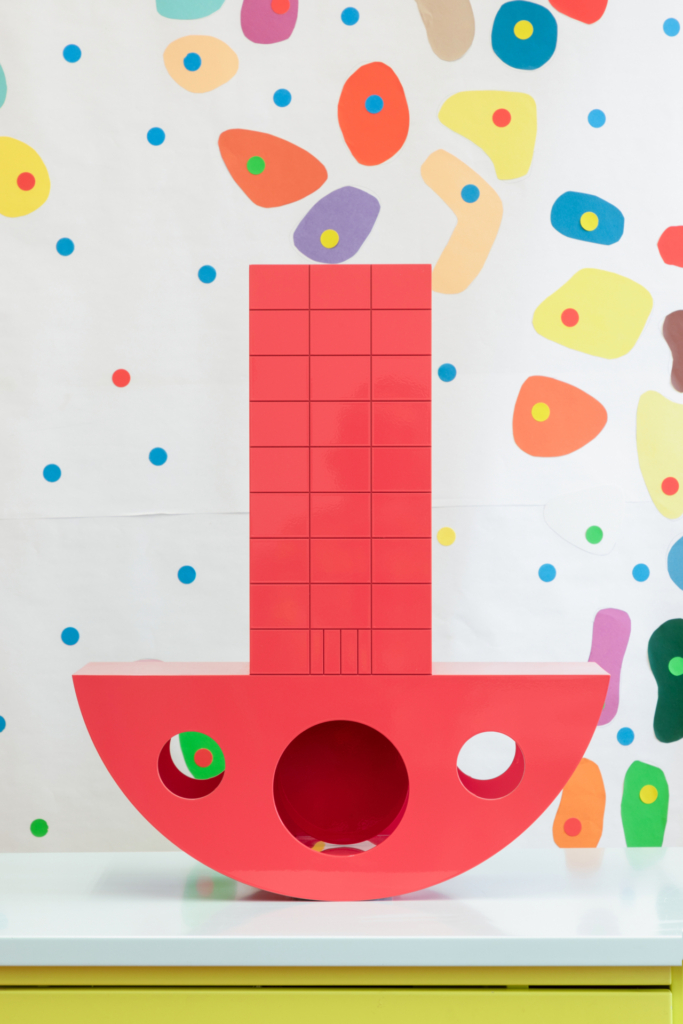
Stephen Craig – Rockinghouse
Stephen Craig
Playful Models in Vibrant Colors
0:00
0:00
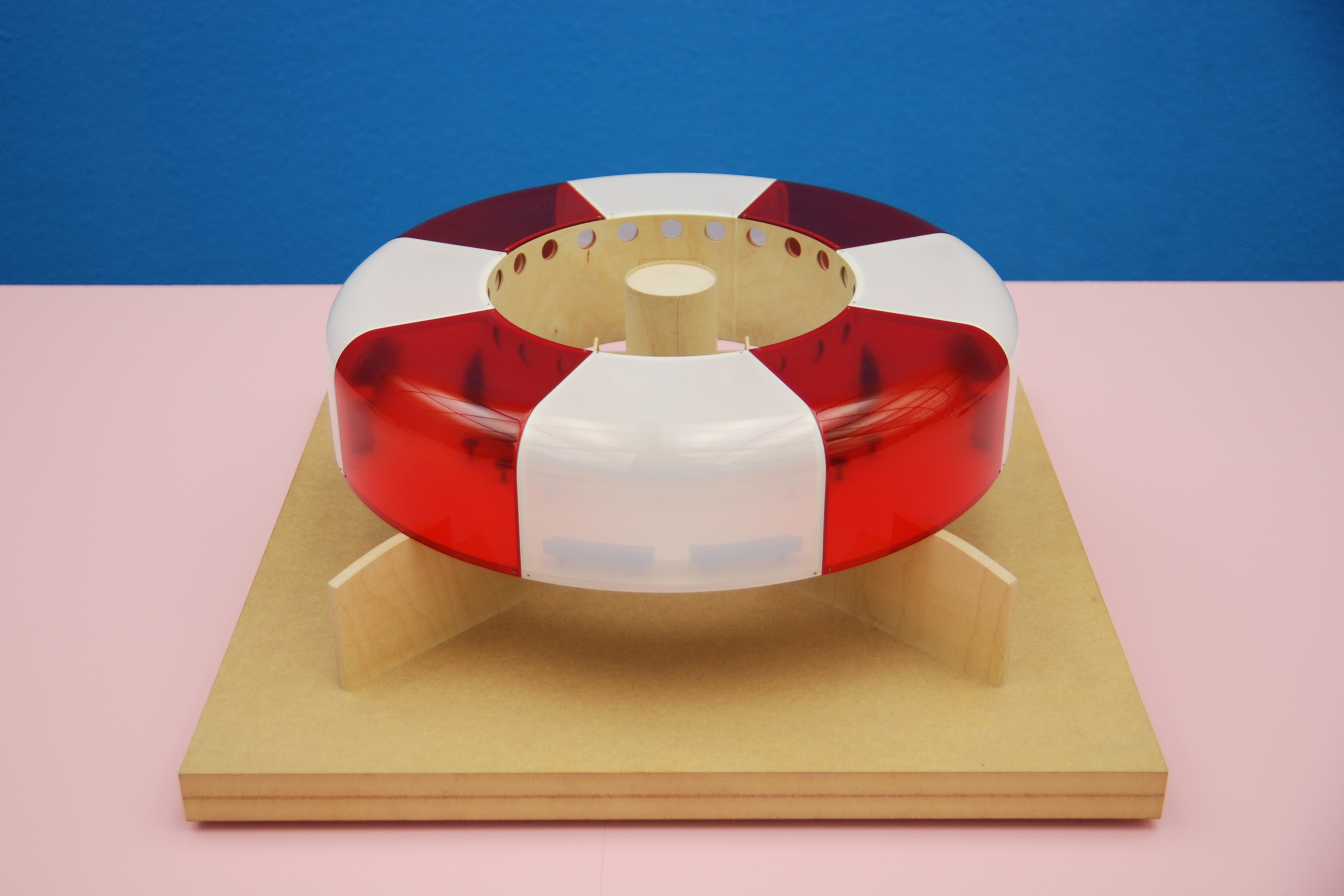
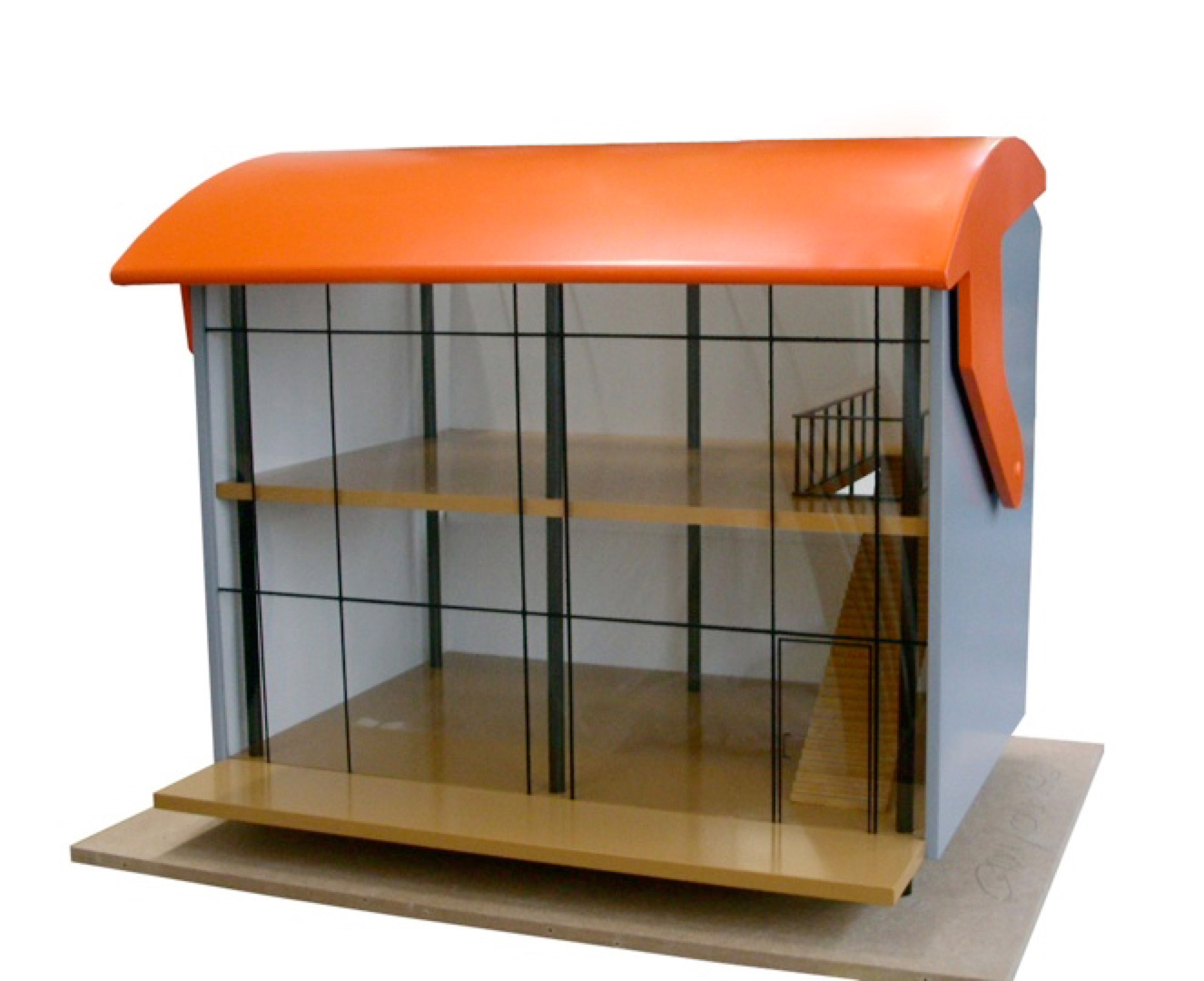
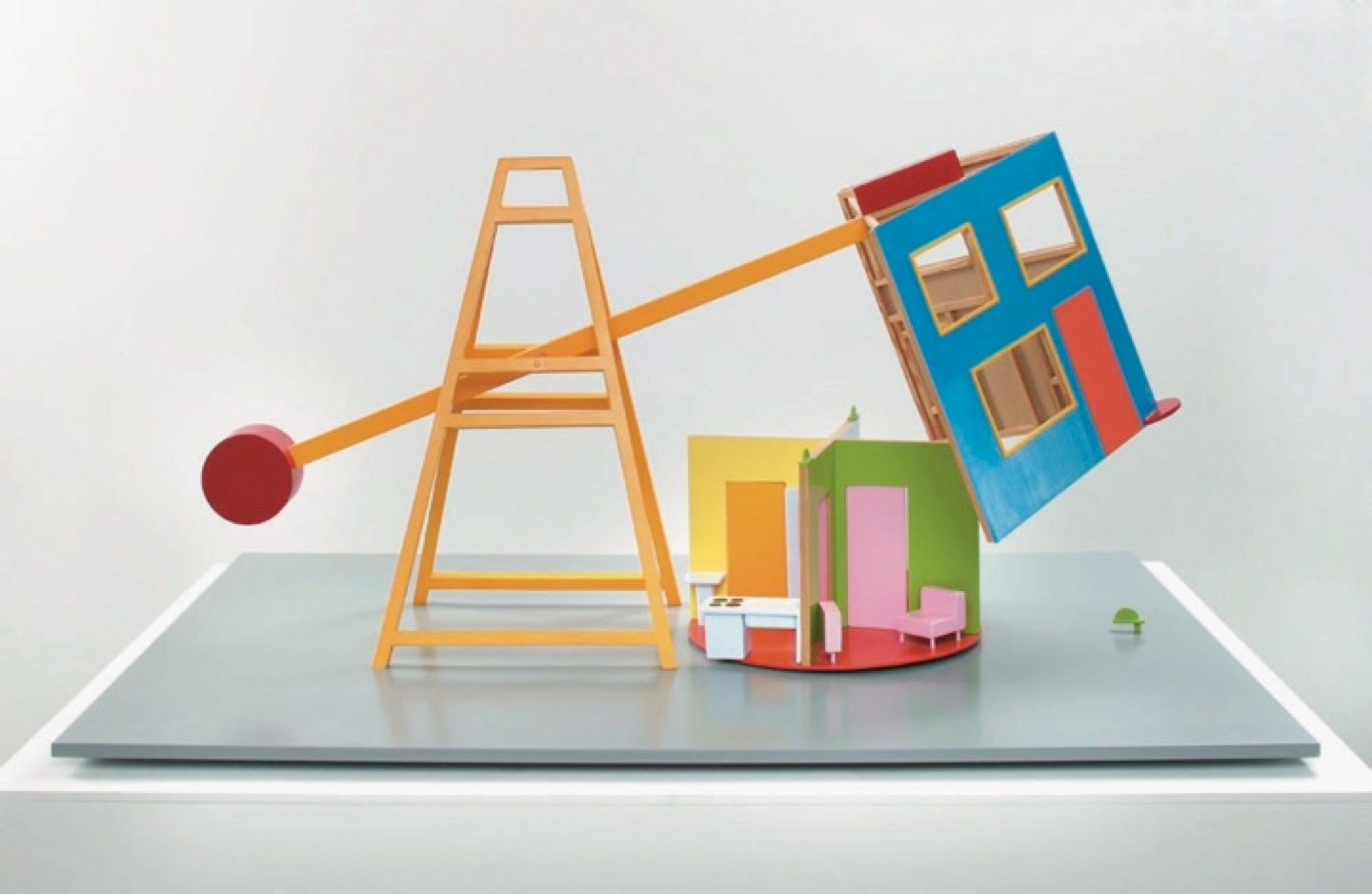
Our eyes seem magically drawn to these toy-like objects, painted in bright colours. Take a moment to walk around the different models on their display plinths, viewing them from all sides. Look through the windows or openings on top and explore the small rooms inside.
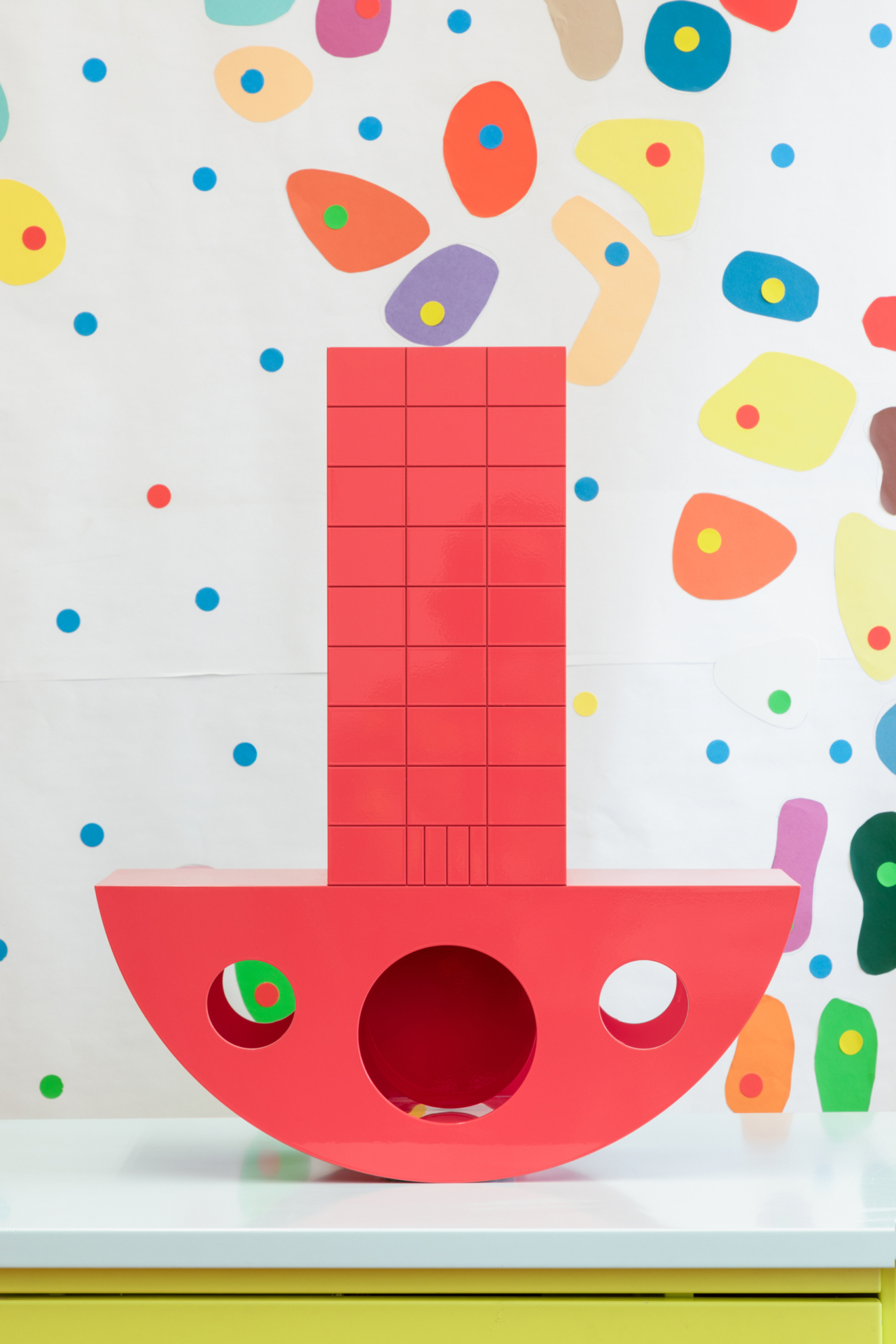
The aptly entitled Rockinghouse tower is just waiting for you to blow gently at it. As the air moves, this stylised tower block literally rocks to and fro, rather like a metronome. A pendulum inside swings from one side to the other, making a soft bell-like sound. Apart from the Rockinghouse, the exhibits here include colourful houses, a bus shelter and booth box, and a circular archive building in the shape of a lifebuoy.
These fascinating models are the work of artist Stephen Craig, Professor of Visual Arts at the Karlsruhe Institute of Technology. Some are potential architectural prototypes, while others are autonomous sculptural objects, playful and sophisticated.
Inspiration drawn from everyday life
Craig takes his inspiration from Constructivism, evident in his use of form and colour. The architecture of some models is influenced by existing buildings. His Rockinghouse, for instance, echoes the Athenian Tower of the Winds, which dates from the late Hellenic period. In antiquity, the Tower functioned as an early meteorological station; later it was converted into a chapel and baptistery.
Yet Craig also finds a stimulus for his works in pop culture and very everyday objects such as rubbish bins or matchboxes. In the meantime, he does in fact build full-scale versions of some models.
The social function of architecture
But beforehand, he carefully examines the urban context for his architectural projects, focusing particularly on their envisaged social function. In seeking to harmonise his designs with the surroundings and the lives of people there, he always factors in people’s interaction with and in his architecture. With their bright colours, his buildings become very inviting and open up spaces for encounters.
Inevitably one wonders what the ambience and atmosphere would be like if you lived in them. How would it feel living in a house which resembles a rubbish bin or rocks to and fro?