


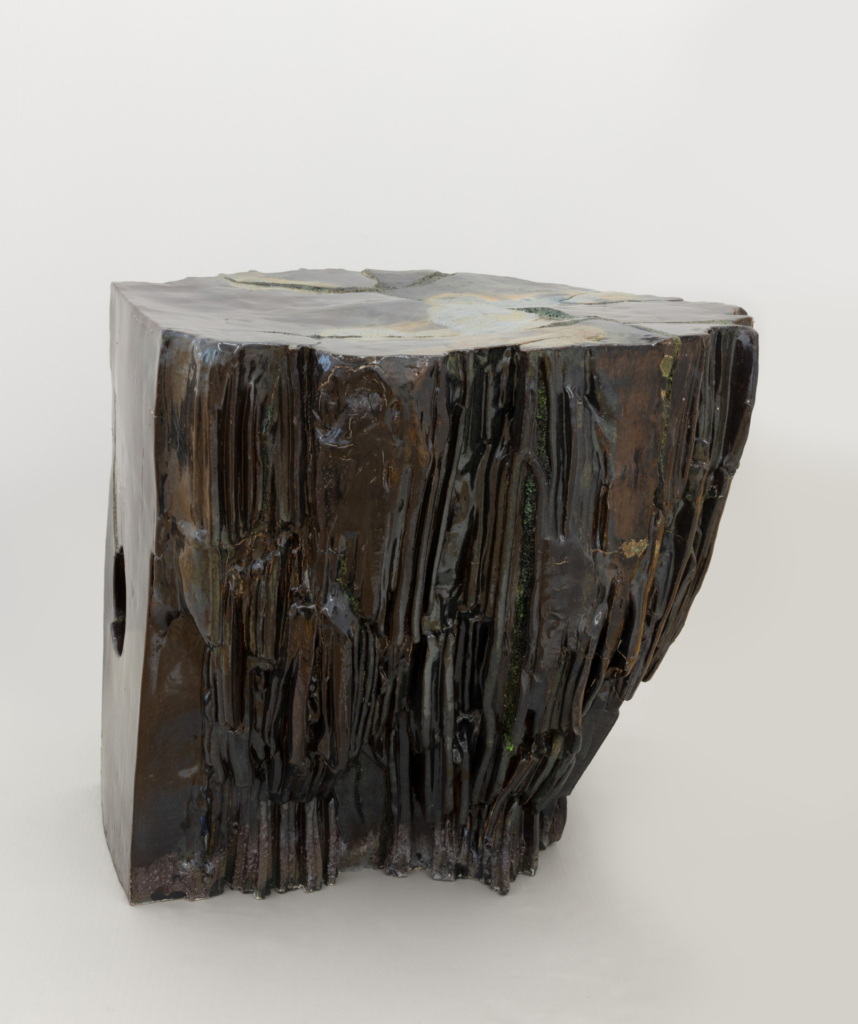
Isa Melsheimer – Fortlaufender Prozess der Verbesserung
Isa Melsheimer
Construction as a Collective Effort
0:00
0:00
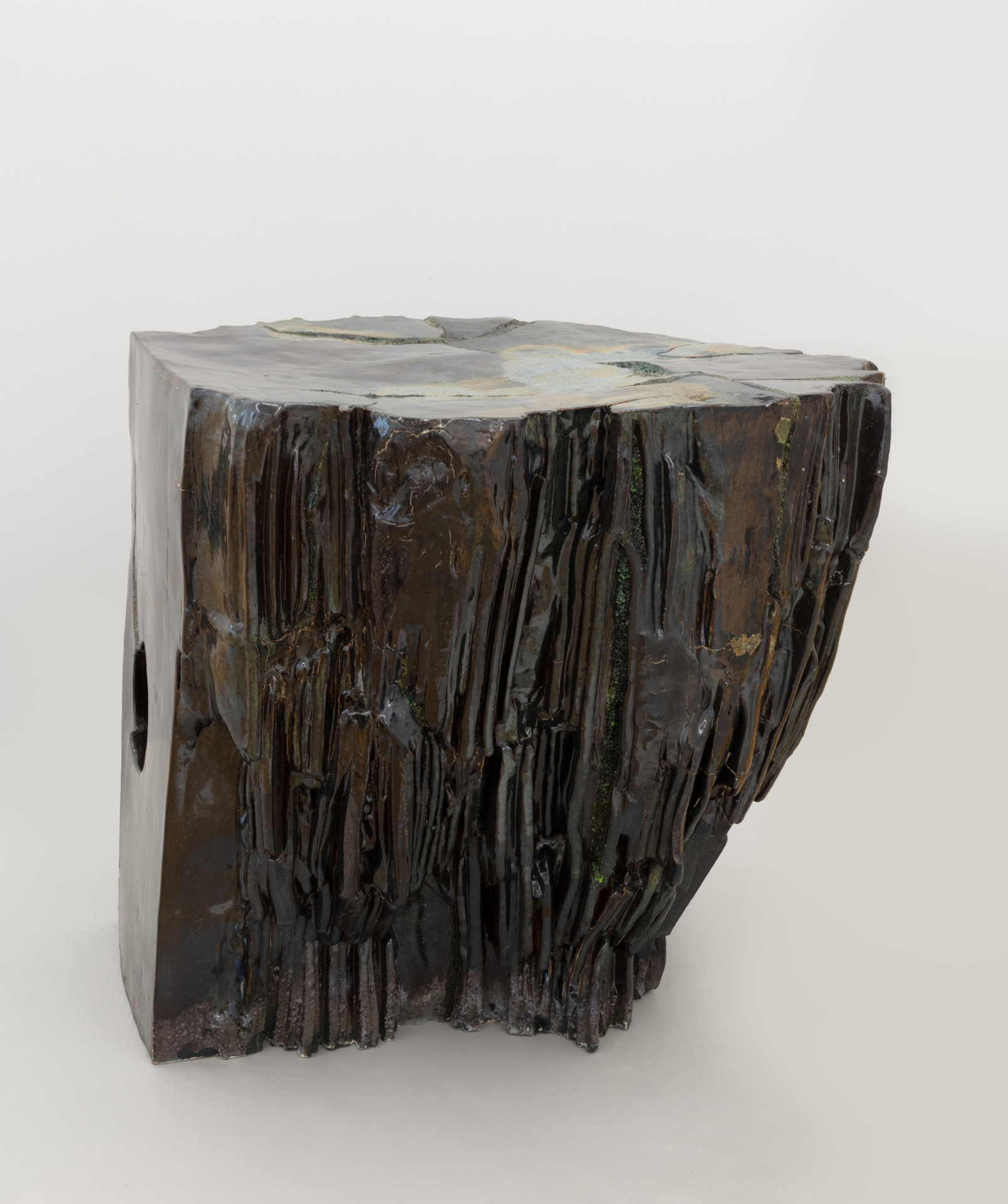
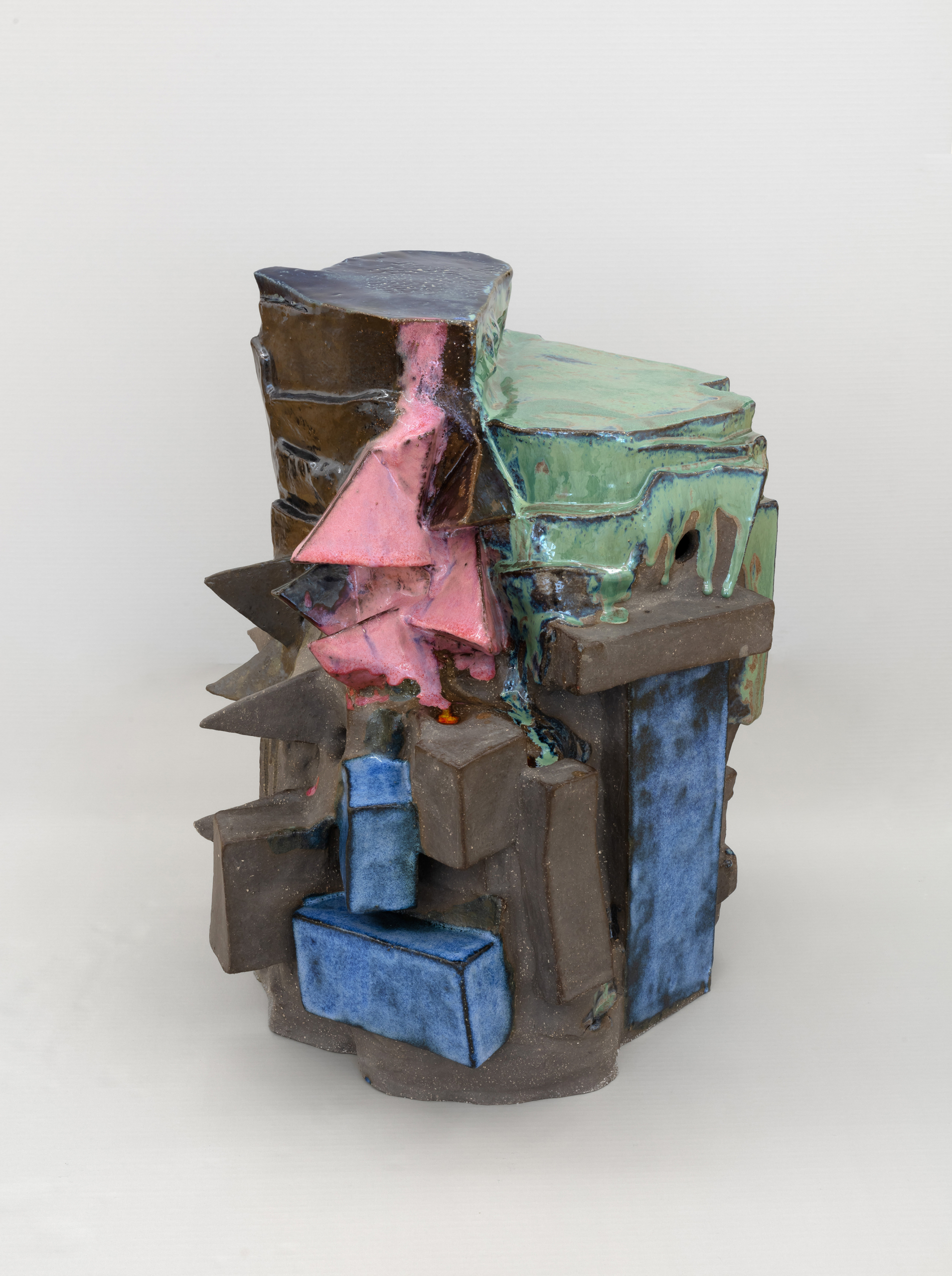
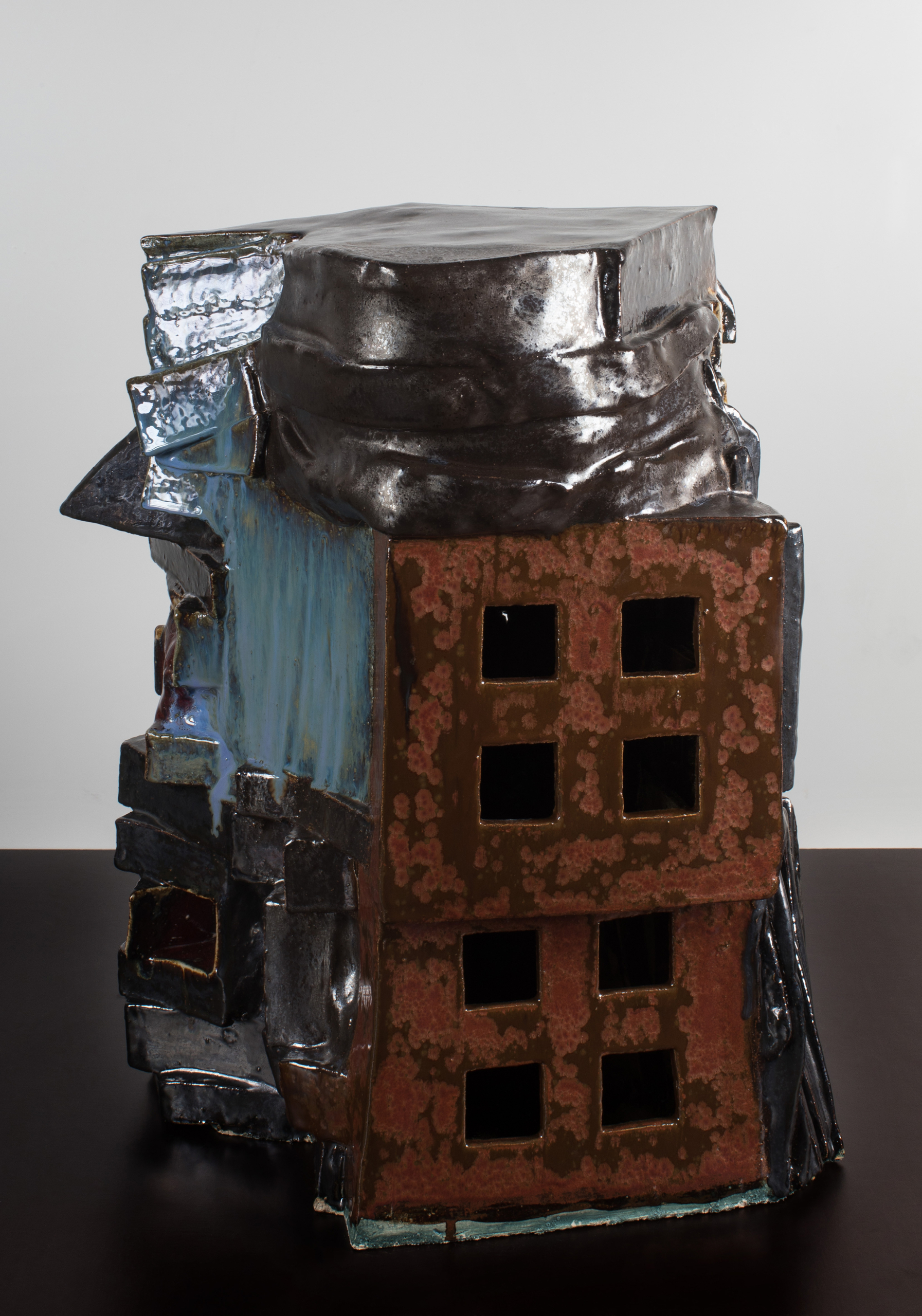
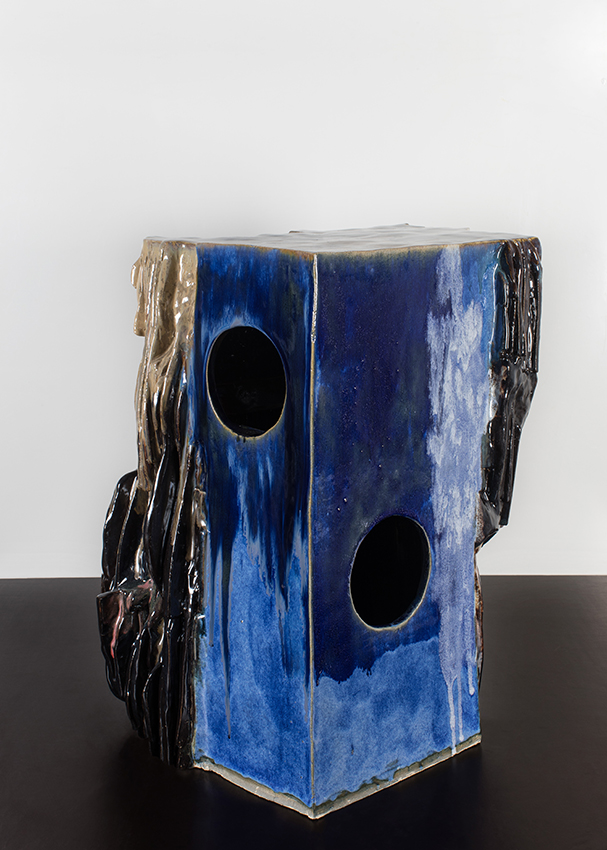
Small and large windows, concealed openings, angled corners and soft curves, towers and geometric shapes. Hard edges are juxtaposed with the seemingly organically grown, and diverse surface structures meet. The artist Isa Melsheimer needs no plinth to display this ceramic work. Instead, it stands firmly on the floor.
The shapes recall wasp and hornet nests, as well as honeycombs or termite mounds. Here, ants could build their networks of subterranean and overground tunnels. Such associations are no surprise since, in this work, Melsheimer explores what a building might look like if our minds thought in the same way as insects or animals.
After all, their dwellings all share one primary quality – practicality. They must be functional, resilient and re-usable. Apart from adapting to radical changes in climate, the shape of their dwellings have remained the same for centuries.
Learning from nature
Human-made buildings also have to become increasingly sustainable, and seen as part of a process of continually developing and improving existing building stock – just as the title of this work says. Increasingly, with shortages in raw materials, dwellings will no longer be demolished, but repaired, renovated, and refurbished.
This would allow human-made buildings to continually grow – just as the dwellings of animals and insects do. Diverse architectural styles could stand side by side, mutually inspiring each other. New parts could be added and joined to one another, so buildings grow in all directions. Given over-population and the scarcity of resources, a shift in thinking from a consumer to a repair society is essential.
From everyone, for everyone
In a continual process of improvement, architectural structures would no longer be the work of a single creator or developer, but designed and developed by many, the result of a collective effort over time. In this sense, the future of building, constructing, restructuring and evolving dwellings and cities lies more in the hands of communities than individuals.
With this in mind, when you look at this sculpture you might ask: Where would I expand this structure and what design and style would I chose? And that idea invites you to become active as a designer yourself.
The Orangerie will remain closed through September 25 due to exhibition renovation work. Starting September 26, we look forward to welcoming you there to our new special exhibition, “Nicolas Daubanes. Le feu intérieur.”
Your visit